
Healthy Treats for the Whole Family: Swapping Sugary Drinks for Nourishing Ones
Ask most parents where the sugar in their child’s day comes from, and they point to cookies and candy. The larger source is often the cup. Sodas, fruit drinks, sports drinks, sweet tea, and flavored milks add up quietly, and a family that changes only what it pours can cut a large amount of added sugar without anyone feeling deprived.
Why serving size matters
Sugary drinks are easy to overlook because they do not feel like food. A child can finish a juice box in two minutes and still be hungry for dinner, so the calories come on top of a normal meal and not in place of anything. The sugar is also dissolved, which means it reaches the mouth and the bloodstream quickly. Fruit drinks and sweetened waters can look healthy on the shelf, with pictures of fruit and words such as vitamin or natural on the front, yet the CDC counts them among sugary drinks.
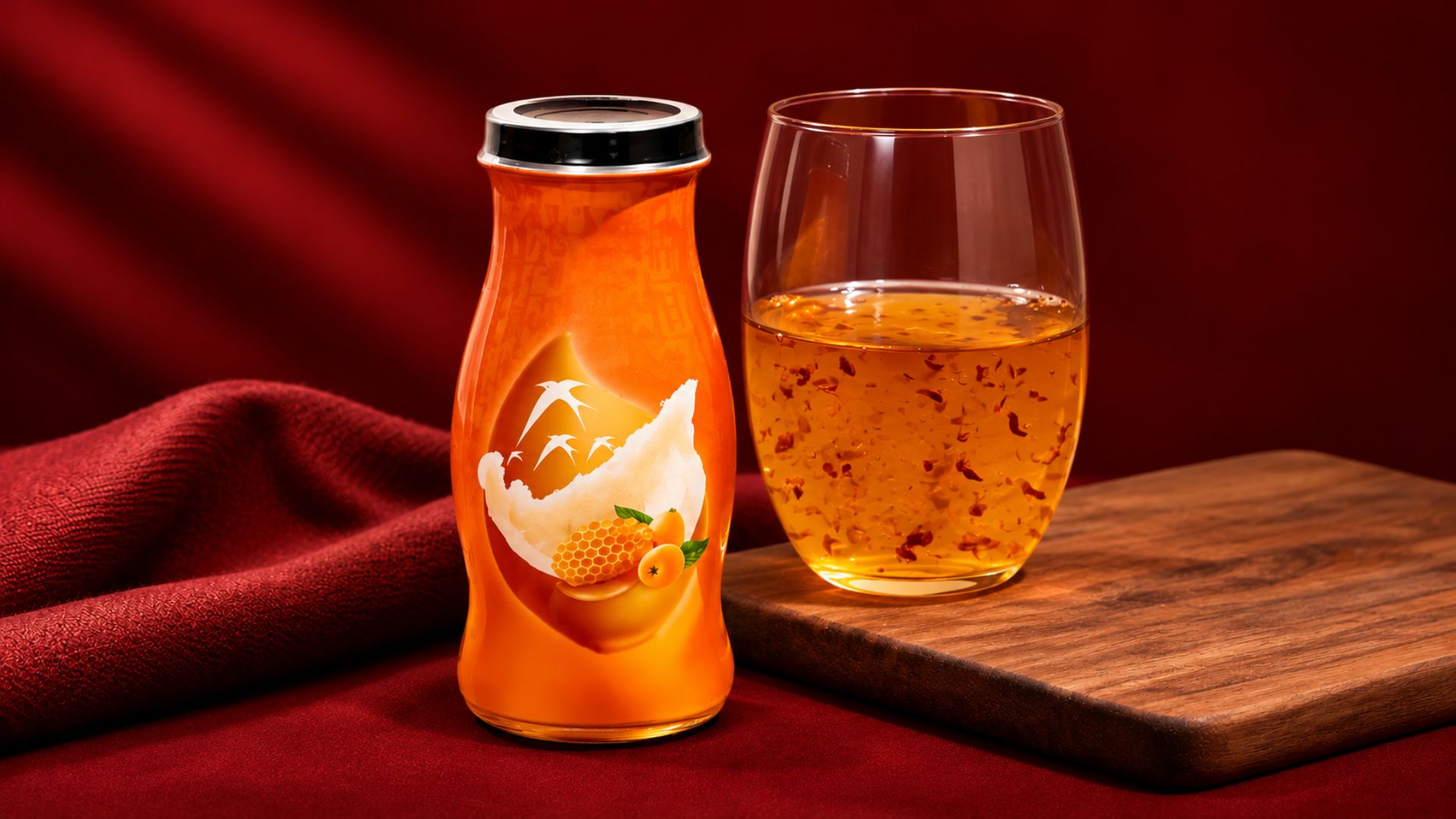
Families looking for a gentler option sometimes consider a traditional drink such as a birds nest drink, which is typically lightly sweetened with rock sugar and served in a small bottle. Whether a drink like that fits a family’s routine depends on the same test as any other, which is how much sugar is in the bottle and how often it is poured. A smaller serving helps too, and an 8-ounce bottle is smaller than the 12-ounce cans in the CDC comparison.
What the CDC says about sugary drinks
The Centers for Disease Control and Prevention’s Rethink Your Drink page says sugary drinks are the leading source of added sugars in the American diet. The page cites the Dietary Guidelines for Americans, which recommend that children younger than 2 have no added sugar and that people 2 and older limit added sugars to less than 10 percent of daily calories.
The page says about 30 percent of Americans 2 and older eat and drink high amounts of added sugar, more than 15 percent of daily calories. The page suggests aiming for much less than 50 grams a day on a 2,000-calorie diet, and notes that the amount differs by age, sex, and activity level.
The page puts numbers on common drinks in a 12-ounce serving. Regular soda has about 10 teaspoons of added sugar and 155 calories, a fruit juice drink about 10 teaspoons and 186 calories, an energy drink about 9, brewed sweet tea about 7, and a sports drink about 5, while plain water and unsweetened tea have none. People who often drink sugary drinks are more likely to have weight gain, obesity, type 2 diabetes, heart disease, cavities, and gout.
Swaps that families actually keep
Water comes first, and the CDC suggests tap, bottled, unsweetened or sparkling water, with berries or slices of lime, lemon, or cucumber for flavor. A pitcher in the refrigerator with fruit in it looks like a treat and costs almost nothing. For fizz, sparkling water with a splash of 100 percent juice is a popular middle path.
Low-fat or fat-free milk and unsweetened fortified milk alternatives provide nutrients, and the agency lists them alongside 100 percent juice as drinks that offer something in return for their calories. Smoothies made at home with whole fruit and plain yogurt can be good too, though they count as a snack and not as a cup of water.
Hot drinks count as options too. Warm milk with a pinch of cinnamon, unsweetened herbal tea for older children, and a broth-based soup at dinner offer a cozy alternative in cold months. Change one thing at a time. Swap the soda at dinner first, then the sweet drink in the lunchbox, and keep the old drink as a once-in-a-while option so the new routine does not feel like a ban.
Where traditional drinks fit
A small bottle of a traditional drink can be a pleasant treat, and it can sit comfortably in a family’s week as long as it is counted as one. Golden Nest describes its Original bird’s nest drink as lightly sweetened with organic rock sugar, and its FAQ says it also makes a sugar-free version, so the Nutrition Facts panel on the specific bottle is the guide.
Rock sugar is still sugar, and the Dietary Guidelines do not distinguish between types when they set the limit. Children under 2 should not have any added sugars, and anyone with an allergy or a medical condition should ask a doctor first, since the nest is an animal product and can cause reactions in some people. Treat it as an occasional drink and keep water as the everyday choice. If a bottle is shared, pour a small glass for each person and keep the rest cold, which also keeps the sugar per person modest.
Getting everyone on board
Children accept change more easily when they help. Let them choose a fruit for the water pitcher, decorate a reusable bottle, or taste-test two options. Adults who drink water at the table set the example, since children copy what they see. Older children can read a label and find the grams of added sugar, then divide by four to get teaspoons, a trick that makes the numbers feel real, since a drink with 20 grams of added sugar holds about five teaspoons.
Keep sugary drinks out of the house if you can, and serve them at restaurants and parties, where they feel special. Plan for the afternoon slump, when the urge for a sweet drink is strongest, with water, a piece of fruit or a small snack. Over a few weeks, the taste for very sweet drinks often fades, and plain options start to taste better. Celebrate the change with something that is not a drink, such as a family walk or a game night, so the new routine feels like a gain.
A label-reading checklist
Start with the serving size, since a bottle may hold more than one. Then look at added sugars in grams, and compare it with the daily limit that applies to the person drinking. The CDC page lists names that mean added sugar, among them cane juice, corn syrup, dextrose and fructose.
Check the ingredient order, because sugar near the top means more of it. Be wary of drinks marketed as vitamin, wellness, or natural, which can still be high in sugar, and remember that 100 percent juice is better than a juice drink but is still best in small amounts. Apply the same checks to flavored milks and waters, which can hide sugar under friendly names. Naturally occurring sugars in milk, fruit, and vegetables are not counted as added sugars, so plain milk does not need to be avoided on those grounds. Write the family’s limit on a sticky note on the refrigerator, and review it together every few weeks.